At the Late Night Double Feature
28 March 2026 00:10![[personal profile]](https://www.dreamwidth.org/img/silk/identity/user.png) austin_dern
austin_dern We got to the second meeting of the revived Arcade Pinball league yesterday. This went well and even avoided the heavy rains we were worried might become a problem. bunny_hugger and I got assigned to the same group, something that came up several times in a row at Lansing Pinball League where group assignments are done by a random draw from a hat. Arcade League we're theoretically grouped by ranking.
Turns out we were well-matched, though. Over the course of five games bunny_hugger had three second-place finishes, while I had a first, a second, and a third; combine with with both of us having a first and a last place on other games, and we ended up tied for points for the night. This is not to say we're going to be in the same group next month, but we didn't do anything to prevent that.
The logic of the way Arcade League does things mean between the two of us we got to pick three of the five games we played, and we went for old-school games: Theater of Magic, Cirqus Voltaire, and Taxi. The two people we played with went for older games with their picks too: Attack From Mars and Creature From The Black Lagoon. It was a league night we could have had in the original Arcade league, which was neat.
Back in Dutch Wonderland pictures, we're almost off the monorail and going to another of the ride-while-looking attractions ...

Last picture on the ride, catching a little view of the Potato Patch. A couple years back Hershey's sold Dutch Wonderland to Kennywood (well, Kennywood's corporate overlords) and I think that's when Kennywood's ``Potato Patch'' name migrated out to Lancaster. Not sure; we tried to eat there but the line was impossibly long.

Back on the ground. Here's the best I could do photographing one of the other animatronic miniatures, a woodworking shop. Unfortunately the sun was making bright reflections against its glass so this is the best I could do.

Some ride sign/entrance queues here, one for the Double Splash Flume and another for The Twister, their trabant ride. You saw both in the distance from the monorail pictures!

And then we started having some Kennywood-grade mascotting luck! Here was Duke out and about a second time!

Vintage historical photo of Dutch Wonderland from when the Double Splash Flume opened; if I was making out the locations right the giant balloon was about where Kingdom Coaster is now. I don't know how long a hot air balloon was part of the park's stuff, but note that Great Adventure in the 70s relied on a captive hot air balloon for some of its ballyhoo.

Another vintage photo, of the Dragon's Lair Log Boats, a boat ride that actually runs outside the park grounds, where you can see things from the highway. It's been renovated away from this model, though ... will you see? Well ...

Here we are on the Dragon's Lair boat ride! While things like the hippo and elephant in the above picture are gone, there's still ``animals'' planted around the lagoon with signs telling you who to look for. The monorail track is above, and you see the highway sign in the background.

Most of the animals appear on the ride after the sign announcing them, like Tucker the Tortoise, but there's signs all along the ride so some of them you have to look back the way you came to see.

The park is unafraid to have some of their fiberglass animals be political, rather than male!

There's Ally! We thought the jaw might move and I'm not sure we were ever sure we saw it do so.

There's a big dragon hidden in the mound that seems like should be Duke except it's a completely different purple altogether. The sign asks if you can spot Fred and Fanny Frog.

I think I found them! I wonder which one is Fanny.
Trivia: After the Civil War, around ten thousand Confederates migrated to the Amazon in a vague idea of creating a new cotton-plantation slave state. All but a few hundred soon fled back, with the diehards congregating in the town of Santarém, Pará, Brazil. Source: 1943: Uncovering the new world Columbus created, Charles C Mann. Wikipedia's essay on the Confederados says around twenty thousand US citizens entered Brazil from 1865 to 1885, but there's no way of knowing how many were these.
Currently Reading: Lost Popeye Zine Volume 87: Nonny the Equine Genius!, Ralph Stein, Bill Zaboly. Editor Stephanie Noelle.

![[syndicated profile]](https://www.dreamwidth.org/img/silk/identity/feed.png)



 Do I know where my keys are? No.
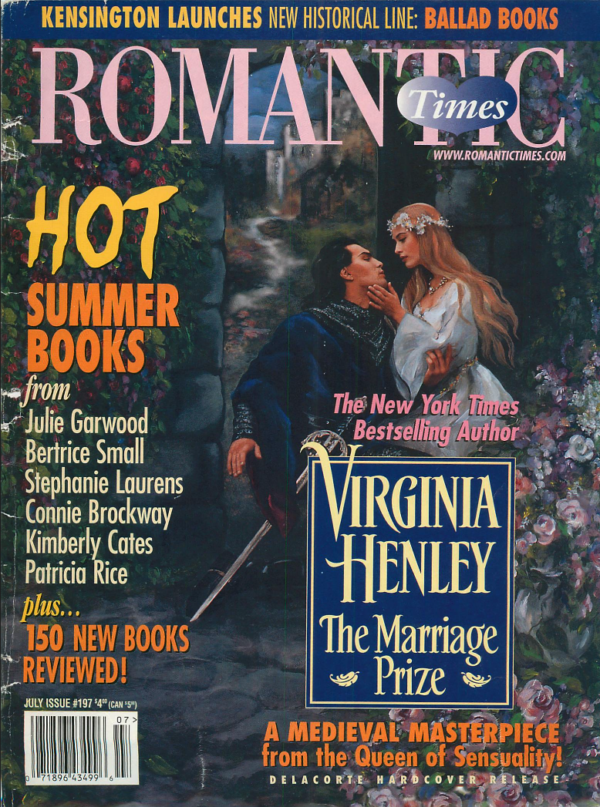 Isn't this cover gorgeous?
We had a few questions about that feather, and how it got there.
Isn't this cover gorgeous?
We had a few questions about that feather, and how it got there.
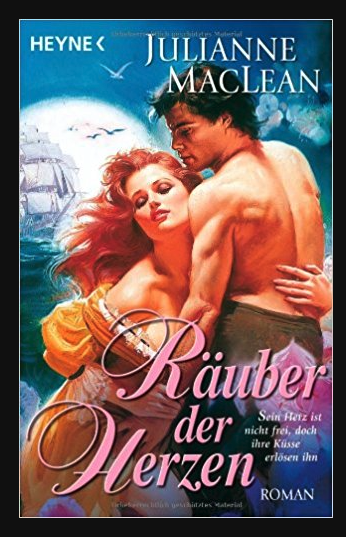
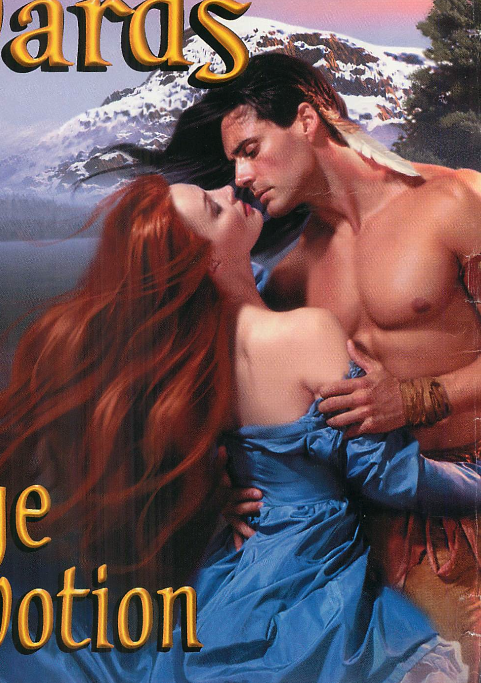 Julianne MacLean has had a long and awesome career, and
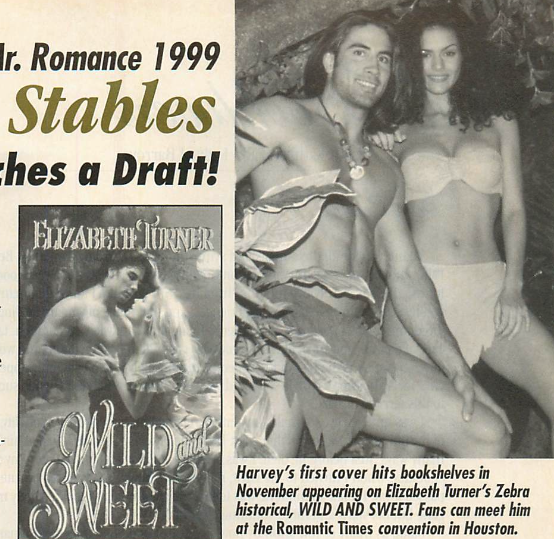
  It's Harvey, Mr. Romance 1999! The Tarzan costume was for a European ad, which alas I cannot find online.
 This was the era when a lot of author websites were on GeoCities. Here's Virginia Henley's GeoCities site.
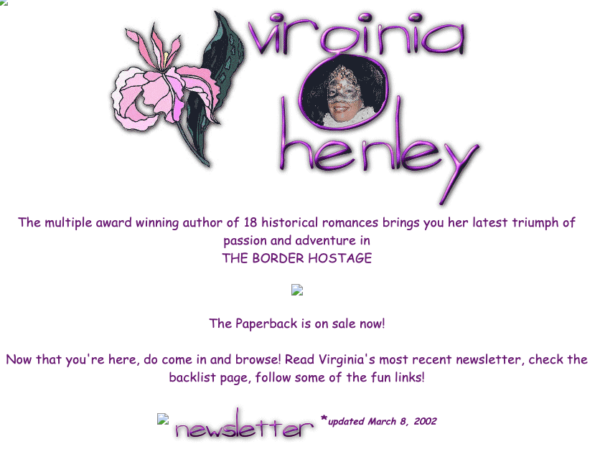 Purple comic sans!
I do not believe this hat was on this person when this photograph was taken.
Purple comic sans!
I do not believe this hat was on this person when this photograph was taken.
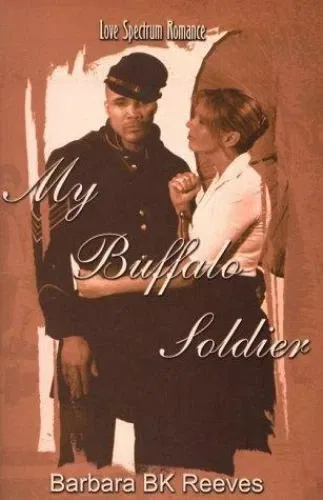 Also, why is she dressed like a waitress at a bistro that has expensive food and metal chairs?
This man is GREEN:
Also, why is she dressed like a waitress at a bistro that has expensive food and metal chairs?
This man is GREEN:
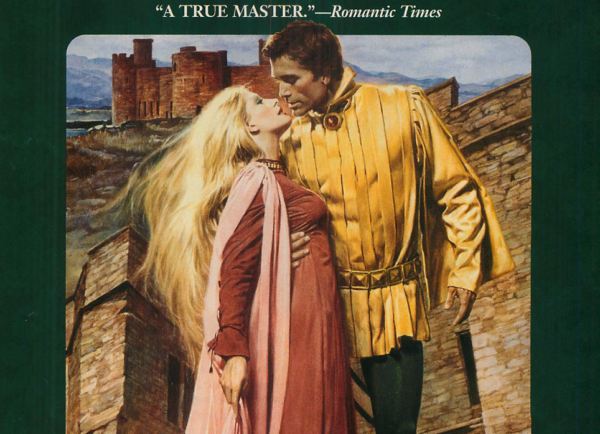 And she has blue eyeshadow!!
"Hands," the subtitle of this episode, refers to the number of author photos that involved posing with hands in places we did not understand.
TO BE CLEAR we are NOT mocking this person's appearance. That's a fantastic photograph and this author looks freaking great.
But we do not understand the hand position.
And she has blue eyeshadow!!
"Hands," the subtitle of this episode, refers to the number of author photos that involved posing with hands in places we did not understand.
TO BE CLEAR we are NOT mocking this person's appearance. That's a fantastic photograph and this author looks freaking great.
But we do not understand the hand position.
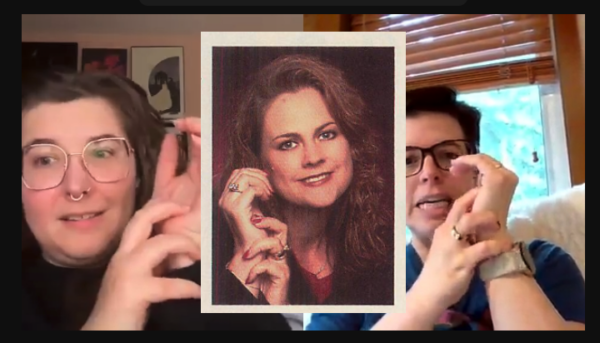 Why are the hands like that.
How funny is it that the fact that John DeSalvo is fully clothed in this cover jumped out at us?
Why are the hands like that.
How funny is it that the fact that John DeSalvo is fully clothed in this cover jumped out at us?
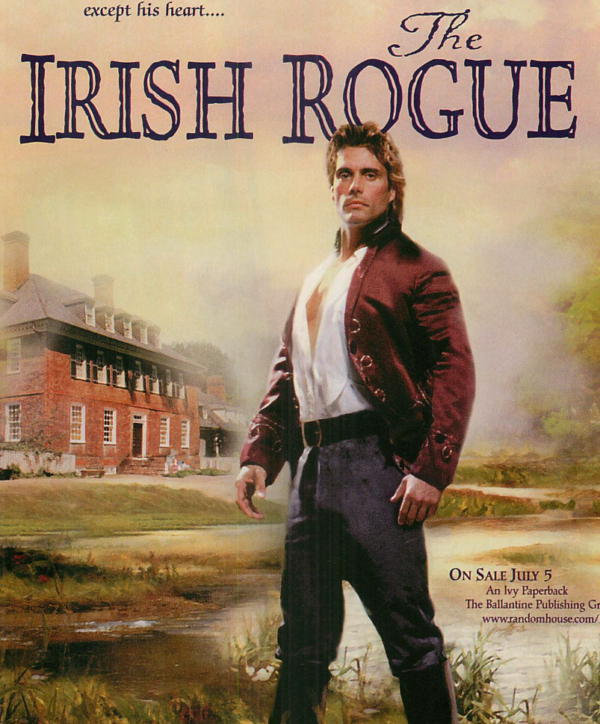 He's got all his clothes on AND he's in a power stance!
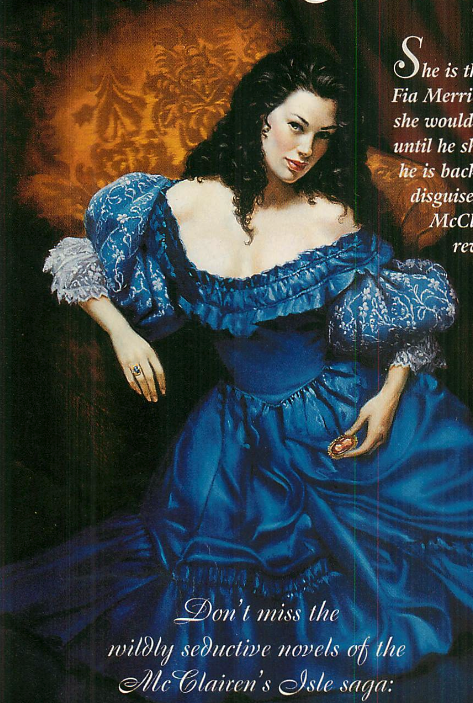 And this was the back cover launch ad for the Zebra Ballad line, which featured continuity stories across multiple books by different authors.
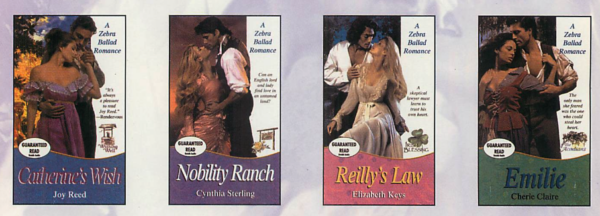 I still don't love photograph covers for historicals and for the life of me I can't figure out why I don't like them. I've been asking myself about this preference for literal years.
[/spoiler]
I still don't love photograph covers for historicals and for the life of me I can't figure out why I don't like them. I've been asking myself about this preference for literal years.
[/spoiler]
